

Get a Flood Insurance quote from our local specialists
Capstone Insurance Group
What is flood insurance and who needs this coverage in Minnesota?
Many homeowners do not realize that standard property policies exclude rising water. Flood Insurance is a specialized policy designed to protect your home and personal belongings from water damage caused by external flooding events, such as heavy rain, rapid snowmelt, or overflowing rivers. Without this protection, you could face tens of thousands of dollars in repair bills out of pocket. In Minnesota, the risk of water damage is rising due to changing weather patterns and seasonal spring thaws that swell local waterways. Who actually needs this protection? The short answer is almost everyone. While mortgage lenders mandate this coverage for properties in high-risk zones designated by the Federal Emergency Management Agency (FEMA), a significant percentage of claims occur outside these areas. If you live near the Mississippi River, the Minnesota River, or any of the state’s famous ten thousand lakes, you face a clear risk. However, even urban homes in Minneapolis or Saint Paul can experience flash floods when municipal storm drains overflow during intense summer storms. Selecting private flood insurance can offer customized limits and broader protection than standard government-backed programs, making it an excellent option for many residents looking to safeguard their investments. Ultimately, anyone who owns a home, a condominium, or a commercial property should evaluate their exposure. Renters can also purchase contents-only policies to protect their personal belongings from rising waters. Given that water damage can destroy foundations, electrical systems, and personal keepsakes in a matter of hours, having a dedicated policy is the only way to guarantee you will not have to rebuild using your personal retirement savings or emergency funds.




























How does flood insurance work during a real Minnesota storm?
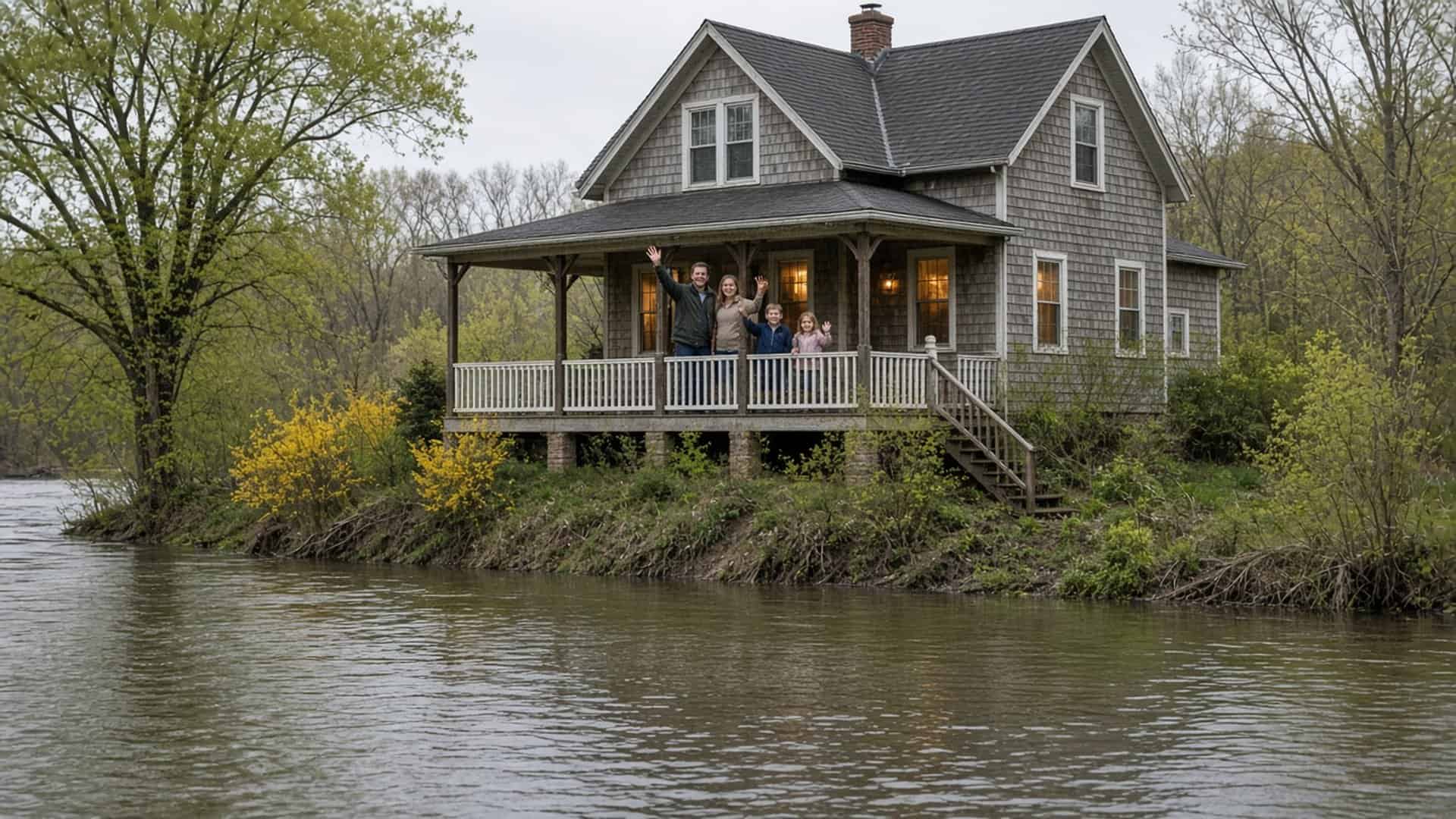
To understand how this protection functions, consider a real-world scenario from a recent spring in southern Minnesota. Rapid snowmelt combined with three days of torrential rainfall caused a local creek to overflow its banks, sending several inches of muddy water into a residential neighborhood. One homeowner, who had purchased a flood policy just a year prior, immediately contacted their agent after the water receded. The floodwaters had ruined the basement drywall, destroyed the furnace, and damaged stored personal property like electronics and furniture. Because they had coverage, an adjuster assessed the damage, and the policy paid out to replace the furnace and rebuild the damaged walls. In contrast, a neighbor without coverage had to rely on personal savings and a small, high-interest federal disaster loan to make their home livable again. This real-world example highlights why relying on luck is a risky strategy. Whether you choose a policy through the National Flood Insurance Program (NFIP) or opt for private flood insurance, having a dedicated plan in place ensures that a natural disaster does not become a financial disaster. Many residents across the state are choosing to secure their properties before the spring thaw begins, knowing that water damage can happen in minutes but take months to resolve. This scenario plays out across our state every year. From the Red River Valley in the north to the bluff country in the south, seasonal shifts bring unpredictable water flows. Having a policy in place means you can watch the weather forecast with confidence rather than anxiety, knowing your single largest investment is fully protected.
What does flood insurance cost in Minnesota?
The cost of protecting your home varies based on your property’s specific risk level, location, and the amount of coverage you choose. Properties in low-to-moderate risk zones generally qualify for much lower rates, while homes directly in floodplains will carry higher premiums. Below is an estimate of average annual premiums for Flood Insurance across different risk tiers in Minnesota to help you budget for this essential protection.
| Risk level | Average annual premium range | Typical coverage limit | Recommended property type |
|---|---|---|---|
| Low to moderate risk | $450 – $700 | $250,000 building / $100,000 contents | Preferred risk properties, slab-on-grade homes |
| Moderate to high risk | $750 – $1,500 | $250,000 building / $100,000 contents | Homes near minor streams or local runoff zones |
| High risk (floodplain) | $1,600 – $3,200+ | $250,000 building / $100,000 contents | Properties in designated special flood hazard areas |
These rates are directional estimates. Working with an independent agent allows you to compare government policies with private flood insurance options to find the most competitive rate for your specific home. Premiums can also be influenced by your home’s foundation type, the elevation of your lowest floor, and the deductible amount you choose.
What should you consider and what are the limitations of flood insurance?
When shopping for protection, you must keep several key limitations and policy details in mind. First, standard NFIP policies carry a strict 30-day waiting period before the coverage becomes active. If a major storm is forecasted to hit your town next week, you cannot buy a policy today to cover that immediate event. This is why purchasing coverage well ahead of wet seasons is critical. Second, understand the coverage limits. Government-backed policies cap building coverage at $250,000 and personal property coverage at $100,000. If your home costs more than that to rebuild, you will face a coverage gap. This is where private flood insurance becomes highly valuable, as it often provides much higher limits and can include loss of use coverage, which pays for your temporary housing if you must move out during repairs. Additionally, pay attention to basement limitations. Most flood policies offer very restricted coverage for items located below ground level. While they will cover major equipment like your furnace, water heater, and foundation walls, they typically will not pay to replace finished basement walls, carpeting, or personal items stored in a below-grade space. Understanding these exclusions ensures you do not face unwelcome surprises during the claims process. Finally, remember that earth movement, even if triggered by water, is often excluded from standard coverage. If a saturated hillside behind your home collapses, it may fall under a different category of risk. Discussing these nuances with an experienced agent helps ensure that you select a policy that matches your property’s unique geological and environmental risks.
What other policies work alongside flood insurance?
No single policy covers every type of water damage. To build a robust safety net for your home, you should coordinate multiple coverages that work together to prevent costly gaps. The table below outlines how other common property coverages interact with and complement your primary flood protection.
| Coverage type | What it covers | How it works with flood coverage | Typical deductible structure |
|---|---|---|---|
| Homeowners insurance | Fire, wind, theft, and sudden indoor plumbing bursts | Covers internal water damage but excludes rising outdoor water | Flat dollar amount (e.g., $1,000) or percentage |
| Sewer backup endorsement | Water backing up through drains, toilets, or sump pumps | Handles localized backup issues not caused by widespread surface flooding | Often a flat deductible separate from main policy |
| Excess flood insurance | Damage exceeding standard $250,000 limits | Adds an extra layer of protection on top of primary or private flood coverage | Matches the primary flood policy limit |
Combining these coverages ensures that whether water comes from a broken pipe, a backed-up sewer, or a swollen river, your home remains protected. By coordinating these policies, you create a seamless shield against all forms of liquid destruction.
What do the statistics show about floods in Minnesota?
Data from recent years reveals that water damage is an escalating concern for property owners throughout the state. According to federal climate data, heavy precipitation events in the state have increased significantly in frequency and intensity over the last few decades. This shift means that areas historically considered safe are now experiencing localized flooding. Statistics show that more than 20 percent of all flood claims occur in properties categorized as low-to-moderate risk. This means that relying solely on FEMA flood maps to decide whether to purchase coverage can leave you vulnerable. Additionally, the average flood claim payout exceeds $40,000, an amount that can easily wipe out a family’s savings if they do not hold active Flood Insurance. Despite these risks, only a small fraction of homeowners in the state carry active coverage. As traditional weather patterns become less predictable, insurance experts recommend looking into private options to secure flexible, modern policies that match the actual risks of today’s environment. Taking proactive steps now protects your home’s equity against unpredictable weather events. Furthermore, local municipal infrastructure in many older local towns was not designed to handle the volume of runoff generated by modern storms. When storm sewers reach capacity, the excess water has nowhere to go but into nearby streets and residential yards. This structural reality makes having independent coverage a wise choice even if you live miles away from the nearest river or lake.
Who is this coverage designed for and how can we help?
This protection is designed for any property owner who wants to secure their financial future against unpredictable water damage. Whether you own a historic home along the St. Croix River, a suburban split-level in Bloomington, or a commercial building in downtown Minneapolis, safeguarding your physical assets is a smart business and personal decision. We specialize in helping residents navigate these complex choices. Our team has helped over 85 customers secure reliable Flood Insurance in Bloomington, Minnesota, ensuring their homes are protected against seasonal thaws and heavy summer storms. We pride ourselves on clear communication and personalized service, which is why we maintain a highly rated Google My Business page filled with positive feedback from your neighbors. You do not have to figure out your flood risk alone. We can analyze your property’s specific location, compare national policies against private options, and offer you customized quotes without any sort of obligation. Contact us today to secure your peace of mind before the next big storm arrives. Our agents are ready to walk you through the options, answer your questions in plain language, and help you find the perfect balance of coverage and affordability.
Get a Quote
Share your details with us, and our team of friendly agents will be in touch with you soon!